Visual
Color
Our brand signature color is Fannie Mae Navy. That, along with our primary palette, is used in all Fannie Mae marketing assets. Secondary colors may be used in limited amounts for intentional differentiation; tertiary colors should be reserved for brand illustration and data visualization.
Do
 Primarily use blues to reinforce our brand and values as a trusted partner in the housing finance industry.
- Ensure minimum color contrast for accessibility.
- Use our data visualization palettes for charts and graphs.
Don't
 Alter or add unauthorized colors to our brand system.
- Use secondary or tertiary colors over primary colors.
Color palette
Signature color

Primary

Secondary

Tertiary


Signature

- Fannie Mae Navy
- Hex: #05314D
- RGB: 5/49/77
- Pantone® 540 C | 295 U
- CMYK: 100/57/12/61
Primary

- Fannie Mae Blue
- Hex: #085280
- RGB: 8/82/128
- Pantone® 7692 C | 301 U
- CMYK: 100/69/24/7

- Fannie Mae White
- Hex: #FFFFFF
- RGB: 255/255/255

- Fannie Mae Grey
- Hex: #EDEBE9
- RGB: 237/235/233
- CMYK: 6/5/6/0

- Fannie Mae Black
- Hex: #121212
- RGB: 18/18/18
- Process Black
Secondary

- Fannie Mae Teal
- Hex: #238196
- RGB: 35/129/150
- Pantone® 2222 C | 3145 U
- CMYK: 65/0/10/39

- Fannie Mae Orange
- Hex: #C55422
- RGB: 197/84/34
- Pantone® 159 C | 717 U
- CMYK: 15/80/100/0
Tertiary

- Fannie Mae Yellow
- Hex: #FFB400
- RGB: 255/180/0
- Pantone® 7549 C | U
- CMYK: 0/22/100/0

- Fannie Mae Green
- Hex: #2C6937
- RGB: 44/105/55
- Pantone® 2427 C | 2259 U
- CMYK: 87/0/100/50

- Fannie Mae Magenta
- Hex: #911A5B
- RGB: 145/26/91
- Pantone® 228 C | 221 U
- CMYK: 16/100/14/42
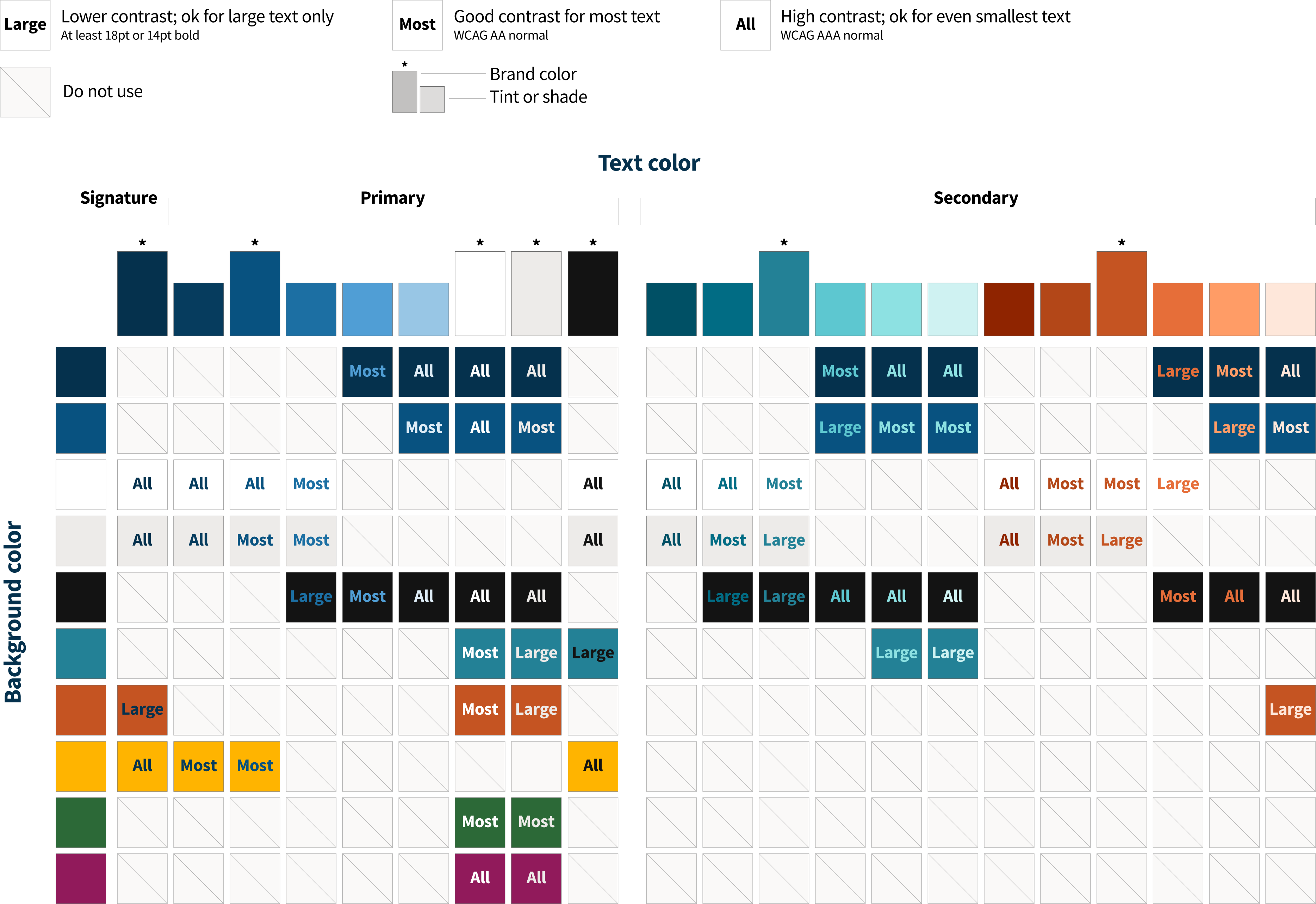
Text color and minimum contrast
In most cases, large amounts of text should be black or white. Tertiary colors should never be used for text.
Adequate contrast is necessary to ensure the readability of text. At Fannie Mae, we strive to conform to Web Content Accessibility Guidelines (WCAG) 2.1 Level AA standards. A visual aid of our color palette text/background combinations is below. For additional information, read our guide on Designing for Accessibility.
Note that smaller text requires higher contrast than large text.